Understanding Image to Prompt Generators
In the evolving landscape of artificial intelligence, tools that can effectively bridge visual and textual content have become indispensable. An image to prompt generator empowers users by converting images into descriptive text prompts that can be used for various AI applications, particularly in creative fields. As more individuals and businesses leverage AI-generated visuals, the demand for precise and effective prompt generation has surged. This article delves into the functionality, benefits, and practical applications of image to prompt generators, equipping you with everything you need to enhance your creative workflows.
What is an Image to Prompt Generator?
An image to prompt generator is a specialized tool designed to analyze visual content and produce corresponding textual descriptions. These generators utilize advanced algorithms and artificial intelligence to decipher elements within images, including subjects, environments, and styles, ultimately transforming them into comprehensive prompts. This functionality streamlines the creative process, enabling artists, designers, and content creators to quickly translate visual inspiration into actionable text that can drive their projects forward.
How Image to Prompt Tools Work
The underlying technology of an image to prompt generator involves sophisticated machine learning models trained on vast datasets of images and corresponding textual descriptions. When users upload an image, the tool processes it in several stages:
- Image Analysis: The tool identifies key elements such as objects, settings, and colors.
- Natural Language Processing: It translates these elements into coherent text prompts, ensuring that the descriptions are contextually relevant and detailed.
- Output Generation: Users receive a prompt that can be used with various AI models like Midjourney, Stable Diffusion, or Flux, facilitating the generation of new images based on the original.
Key Benefits of Using an Image to Prompt Generator
Employing an image to prompt generator offers several advantages for users across various domains:
- Time Efficiency: Quickly generate prompts without the need for manual description.
- Enhanced Creativity: Provides fresh perspectives and ideas based on existing images.
- Precision: AI-powered tools offer accurate and detailed prompts that can improve the outcome of AI-generated images.
- Compatibility: Works seamlessly with various AI art models, broadening creative possibilities.
How to Use an Image to Prompt Generator Effectively
To maximize the potential of an image to prompt generator, it’s crucial to follow certain steps that enhance usability and output quality. This section outlines a straightforward approach to utilizing these tools effectively.
Step-by-Step Guide to Uploading Images
Using an image to prompt generator typically involves a few simple steps:
- Select an Image: Choose an image that you want to convert to a prompt. Most tools support various formats like PNG, JPG, and WEBP.
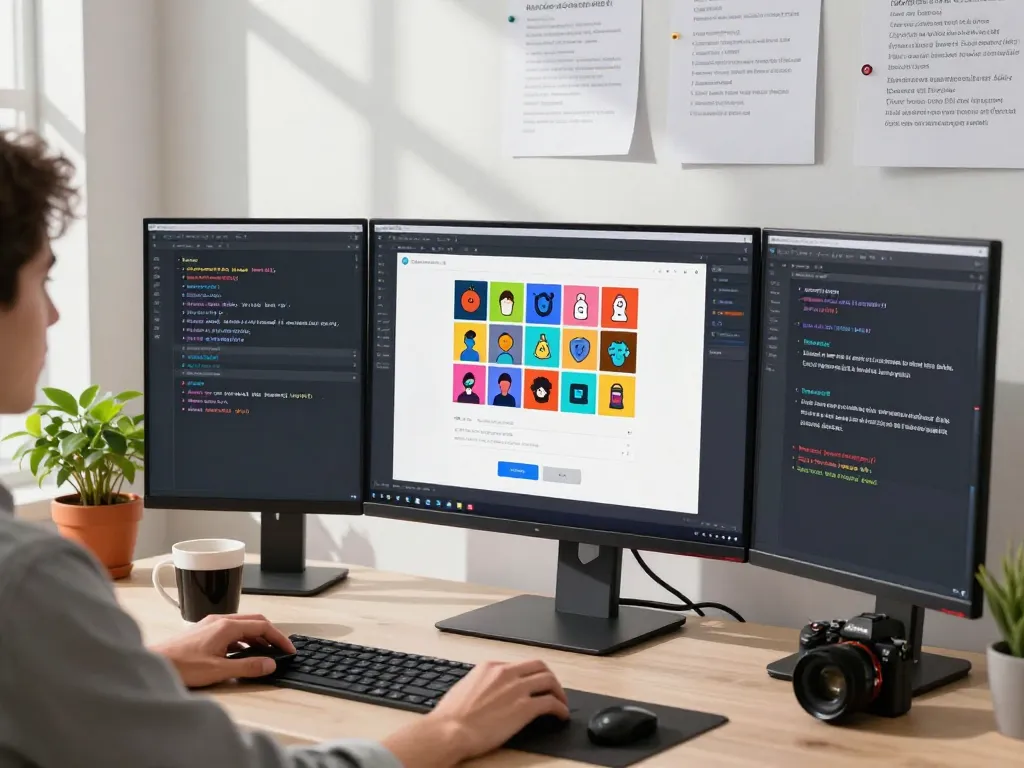
- Upload the Image: Drag and drop the selected image into the designated area on the tool's interface.
- Initiate Prompt Generation: Click on the "Generate Prompt" button and wait a few moments for the processing to complete.
- Review and Utilize: Once generated, you can refine the output as needed and use it in your creative projects.
Choosing the Right AI Model for Your Needs
Different AI models may yield varying results depending on the style and purpose of your project. Some popular models include:
- Midjourney: Known for its focus on artistic and abstract prompts.
- Stable Diffusion: Excellent for generating high-quality, realistic images based on detailed prompts.
- Flux: Tailored for specific creative projects, offering unique style adaptations.
- Gemini: A versatile model that performs well across different genres.
Selecting the appropriate model can enhance the relevance and impact of your generated prompts.
Optimizing Generated Prompts for Better Results
After generating a prompt, consider refining it to align closer with your creative vision. Here are tips for optimization:
- Be Specific: Add context or specifics to the prompt to guide the AI more effectively.
- Experiment: Vary the wording or structure to see which version yields the best results from the AI model.
- Feedback Loop: Use generated images as a feedback mechanism to continually improve your prompt crafting.
Benefits of Accurate Prompt Generation
Accurate prompt generation not only speeds up the creative process but also enhances overall project outcomes. Here are some crucial benefits:
Enhancing Creative Workflows with AI Prompts
The integration of AI prompts into creative workflows can streamline the ideation and execution phases. With accurate prompts, artists can maintain their focus on creative execution rather than getting bogged down by the conceptualization phase.
Comparing Results Across Different AI Models
Using an image to prompt generator allows for performance comparison among different AI models. Users can analyze how each model interprets the same prompt, leading to a better understanding of their strengths and weaknesses.
Case Studies: Successful Prompt Integration in Projects
Several artists and designers have successfully utilized image to prompt generators in their projects:
- Illustration Projects: Many illustrators generate prompts that enhance their storytelling, leading to more immersive artwork.
- Marketing Campaigns: Brands employ AI-generated visuals that align closely with their identity, improving audience engagement.
- Film and Game Design: Directors and game designers leverage these tools to visualize character concepts and settings swiftly.
Common Challenges and Solutions
Despite the advantages, users may encounter challenges when using image to prompt generators. This section offers insights into these issues and potential solutions.
Pitfalls in Using Image to Prompt Generators
Some common pitfalls include:
- Ambiguity in Prompts: Many generated prompts can lack clarity, leading to unexpected results.
- Over-Reliance on AI: Solely depending on AI-generated prompts can stifle creativity.
- Limited Understanding: Not all users fully grasp how to refine prompts for optimal results.
Refining Prompts for Specific Outcomes
To achieve desired results, refinement is key. Here are practical tips:
- Use Descriptive Language: Adding adjectives or specific details can guide the generation process more effectively.
- Iterate: Don’t hesitate to generate multiple versions of the same prompt to explore different creative avenues.
Addressing User Concerns: Privacy and Data Security
Users may worry about uploading images due to privacy concerns. Reputable image to prompt generators ensure that all uploaded content is processed securely and deleted promptly after analysis, protecting user data and intellectual property.
The Future of Image to Prompt Generators
The field of AI is rapidly evolving, and so are the capabilities of image to prompt generators. Understanding emerging trends and preparing for future developments is critical for users aiming to stay ahead.
Emerging Trends in AI Prompt Technology
As technology advances, several trends are shaping the future of image to prompt generators:
- Increased Customization: Future tools may allow users to tweak algorithms to better suit their project needs.
- Real-Time Processing: Expect improvements in processing speed, enabling instant prompt generation.
- Integration with Other Tools: Seamless integration with other design and creative software will likely enhance usability.
Predictions for 2026 and Beyond
Looking forward to 2026, we can anticipate:
- AI Democratization: More accessible tools will foster creativity across various demographics.
- Collaborative Features: Enhanced sharing and collaborative functionalities will emerge, facilitating teamwork among creators.
- Advanced Multi-Modal Models: Future models may blend visual and textual data more adeptly, generating richer prompts.
How to Stay Ahead in AI Image Generation
To stay competitive in the realm of AI-generated content, consider the following strategies:
- Continuous Learning: Stay updated with the latest developments in AI technology and image generation tools.
- Experimentation: Regularly test new tools and techniques for your creative projects.
- Networking: Engage with other professionals in the field to exchange insights and best practices.
What is the cost of using an image to prompt generator?
Many image to prompt generators offer free versions with basic capabilities, while others may charge for premium features that provide enhanced functionality, such as advanced customization options or faster processing times. Researching different platforms can help users find a solution that fits their budget.
Can I use the generated prompts with any AI art model?
While many prompts can be utilized across various AI art models, it's essential to verify compatibility. Each model may interpret prompts differently, so users should tailor prompts to align with specific models like Midjourney, Stable Diffusion, or others to ensure optimal results.
Are there any limitations on image file types for prompts?
Different tools may have various specifications regarding accepted image formats. Common formats include PNG, JPG, and WEBP. Users should check the guidelines of their chosen tool to avoid compatibility issues during the upload process.