Understanding TradingView: A Comprehensive Overview
In the ever-evolving landscape of financial markets, traders face an overwhelming amount of data from various asset classes, including stocks, forex, cryptocurrencies, and derivatives. TradingView emerges as a powerful tool that consolidates market information into a user-friendly platform, enabling traders to streamline their research processes, verify trading strategies, and manage their accounts effectively. By uniting charts, indicators, news, and strategy testing in a single workspace, TradingView presents a comprehensive solution for both novice and experienced traders alike.
What is TradingView and How Does It Work?
TradingView is a cloud-based charting platform designed for traders and investors to analyze market trends, share insights, and test trading strategies. Users can create customized charts and utilize a wide array of technical indicators to inform their trading decisions. The platform's collaborative nature allows traders to interact through social features, sharing their analysis and strategies with peers in real-time. This functionality extends to its mobile applications, ensuring traders remain connected no matter where they are.
Key Features of TradingView for Traders
The robust feature set provided by TradingView includes:
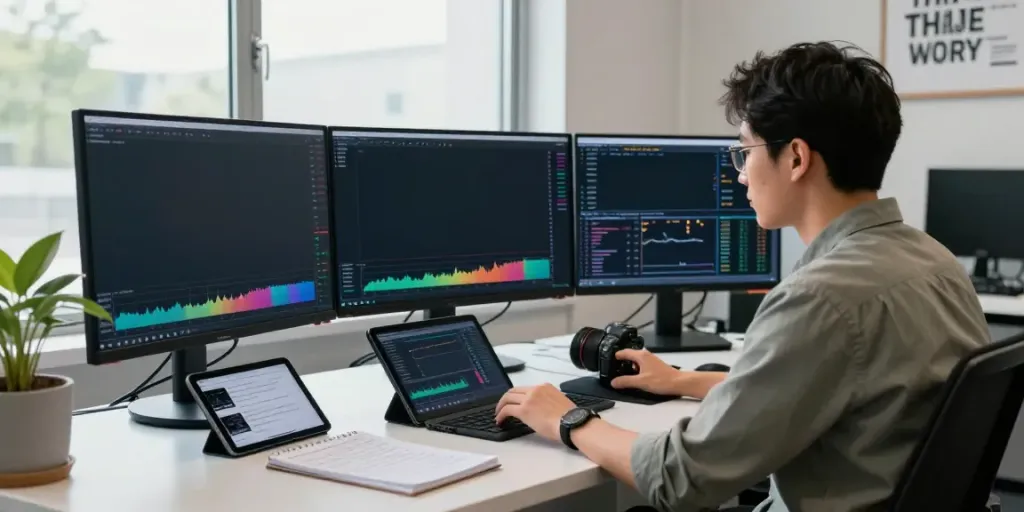
- Multi-Layout Supercharts: Traders can view multiple charts simultaneously, allowing for comprehensive market analysis.
- Watchlists and Stock Screeners: Customizable watchlists and powerful screening tools help traders identify opportunities based on specific criteria.
- Price Alerts and Notifications: Users can set alerts for price movements and technical indicators to keep them informed without constantly monitoring the platform.
- Economic Calendar and News Feed: Real-time news updates and an integrated economic calendar provide context for market shifts.
- Strategy Tester: This feature allows traders to backtest their strategies against historical data to gauge their effectiveness.
Pros of Using TradingView
Intuitive User Interface and User Experience Benefits
TradingView boasts an intuitive interface that is designed with user experience in mind. The drag-and-drop functionality simplifies the process of customizing charts, enabling traders to create a workspace that suits their individual analysis needs. Furthermore, the platform is continuously updated with user feedback in mind, ensuring that it remains relevant and usable.
Integration with Multiple Asset Classes
One of the standout advantages of TradingView is its support for a diverse range of financial instruments. Users can seamlessly switch between different asset classes, whether they are trading stocks, forex, or cryptocurrencies, without the need to switch platforms. This integrated approach saves time and reduces the complexity of research and analysis.
Community Insights and Social Trading Features
TradingView's social trading features allow users to share their thoughts and strategies with a global community. Traders can publish their ideas, comment on others' analyses, and gain insights from successful peers. This collaborative element not only fosters a learning environment but also allows for the exchange of innovative trading strategies.
Cons of Using TradingView
Potential Limitations for Advanced Traders
While TradingView offers a wealth of features, advanced traders may find certain limitations. For instance, the platform's scripting capabilities, though powerful, may not fully cater to highly complex algorithmic trading strategies that require more robust programming environments.
Subscription Costs vs. Free Features
While TradingView does offer a free tier, many of its more advanced features are locked behind a paid subscription. Traders must weigh the value of these advanced features against their trading needs to determine whether the cost is justified. Not all users may need the premium functionalities, leading some to feel that they are paying for features they don’t utilize.
Reliability of Data and Downtime Issues
Occasionally, users report downtime or data feed issues that can disrupt trading activities. While these occurrences are rare, they can lead to missed trading opportunities, especially for those relying on real-time data. It's crucial for users to stay informed about TradingView's status and outages to mitigate these potential disruptions.
Best Practices for Maximizing Your TradingView Experience
Creating Custom Alerts and Notifications
To enhance trading efficiency, users should take advantage of the alert system in TradingView. By setting alerts based on price points or specific technical indicators, traders can automate their monitoring processes, allowing them to focus on executing their strategies rather than being glued to the charts.
Utilizing Advanced Charting Tools Effectively
Traders can gain a significant edge by mastering TradingView's advanced charting tools. Utilizing features like Fibonacci retracements, trend lines, and various technical indicators enables traders to identify potential entry and exit points in their trading strategies more accurately.
Engaging with Community Ideas and Strategies
Taking an active role in TradingView’s community can provide invaluable insights and alternative perspectives on market conditions. By reviewing others’ charts and strategies, traders can expand their knowledge and refine their own trading plans based on proven methodologies.
The Future of TradingView in 2026: Trends and Predictions
Emerging Features and Innovations on the Horizon
As the trading landscape continues to evolve, TradingView is expected to introduce more innovative features that integrate emerging technologies like artificial intelligence and machine learning. These advancements may include predictive analytics tools and enhanced customization options for individual traders, making the platform even more powerful.
Impact of Regulatory Changes on Trading Platforms
The trading industry is subject to frequent regulatory changes, which can impact platforms like TradingView. As regulations evolve to ensure more transparency and protection for traders, TradingView will need to adapt its policies and features accordingly to stay compliant and continue providing value to its users.
How AI and Automation Will Shape Trading Strategies
The integration of AI and automation into trading strategies is set to revolutionize how traders approach the markets. TradingView may increasingly leverage AI technologies to provide personalized trading suggestions, automate backtesting processes, and enhance the overall user experience.
Is TradingView Really Free?
Many users wonder about the free offerings of TradingView, as the platform provides a robust array of features without charge. However, to access premium functionalities such as advanced alerts and real-time data for all asset types, users may need to subscribe to one of the paid plans.
Can You Trust the Data Provided by TradingView?
Given the platform's reputation and user base, TradingView is considered a trustworthy source for market data. However, users should remain aware that data discrepancies can occur, particularly in times of high volatility, and it is wise to cross-verify with other sources when making critical trading decisions.
What are the Alternatives to TradingView?
While TradingView provides comprehensive tools for traders, several alternatives exist in the market, including platforms like MetaTrader, Thinkorswim, and NinjaTrader. Each alternative has its unique features, strengths, and weaknesses, so traders should evaluate them based on their individual trading style and requirements.
How to Set Up Your TradingView Account?
Setting up a TradingView account is straightforward. Users simply need to visit the TradingView website, click on the sign-up button, and follow the prompts to create an account. Once registered, users can explore the various features available, set up custom layouts, and begin analyzing the markets.
How Does TradingView Compare to Other Trading Platforms?
When compared to other trading platforms, TradingView is often praised for its user-friendly interface, comprehensive features, and strong community engagement. However, platforms like MetaTrader may offer more advanced algorithmic trading capabilities, appealing to professional traders who require specialized tools.