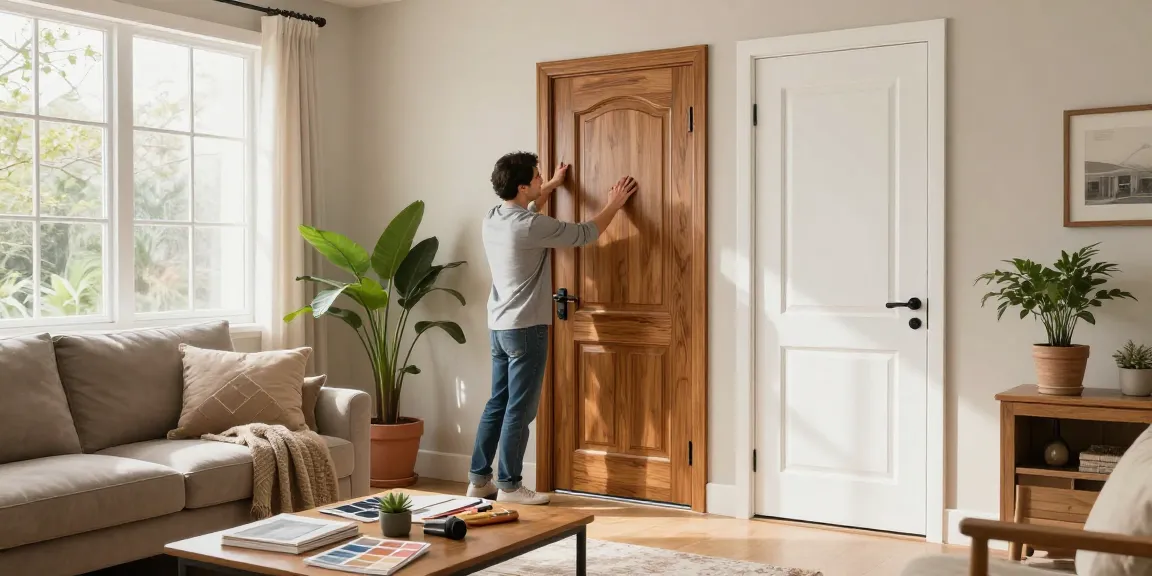
Understanding the Importance of Quality Doors
Doors serve as gateways to our homes and workplaces, playing a pivotal role in establishing security, privacy, and aesthetics. A high-quality door does not merely offer physical barriers; it embodies the essence of how we frame our spaces and communicate our style. When exploring options, find out more about the significant impact of door quality on your property.
Why Investing in Quality Doors Matters
Investing in quality doors is essential for several compelling reasons. First, they provide enhanced security against potential intrusions. High-quality doors often feature robust materials and locking mechanisms that deter criminal activity. Furthermore, top-tier doors can improve energy efficiency, reducing your heating and cooling costs significantly. When facing extreme weather conditions, well-constructed doors can prevent drafts and moisture ingress, contributing to a more comfortable indoor environment.
Common Misconceptions About Door Materials
Many homeowners hold misconceptions regarding door materials. A prevalent belief is that wood doors are always the superior choice because of their traditional aesthetic appeal. However, modern materials, such as fiberglass and steel, offer excellent durability and insulation properties. Fiberglass doors, for instance, can imitate the look of wood while requiring less maintenance, making them an appealing alternative for many homeowners.
Benefits of High-Quality Doors
High-quality doors provide numerous benefits extending beyond mere aesthetics. They often feature enhanced durability, maintaining their structural integrity over years of use. Additionally, high-quality doors come with better warranties, reflecting the manufacturer’s confidence in their products. A well-selected door can also increase your home’s resale value, making it a wise investment for future homeowners.
Popular Door Styles and Their Features
Door styles have evolved significantly, influenced by both functionality and the latest design trends. Homeowners now have a plethora of options, from classic to contemporary aesthetics, allowing them to choose doors that harmonize with their property’s overall appeal.
Traditional vs. Modern Door Designs
Traditional door designs often emphasize ornamentation, intricate woodwork, and classic panel patterns. These styles are perfect for older homes or those aiming for a timeless look. In contrast, modern door designs showcase minimalism, clean lines, and innovative materials such as glass and metal. They cater to contemporary homes seeking a more streamlined appearance.
Energy Efficiency in Door Selection
Energy efficiency is a critical aspect of door selection. Insulated doors minimize heat transfer, helping maintain a consistent indoor temperature, which subsequently lowers energy bills. Look for doors that meet Energy Star ratings, as they have been tested for their effectiveness in energy conservation.
Best Materials for Durability and Appearance
The choice of material can significantly influence the durability and appearance of a door. Steel doors are known for their strength and resistance to wear, while fiberglass offers the advantage of being lightweight and easy to maintain. Wood remains popular due to its aesthetic versatility, but homeowners must consider the implications of weather resistance and maintenance requirements.
Factors to Consider When Choosing a Door
Selecting the right door involves careful consideration of various factors to ensure that it meets both functional and aesthetic needs.
Assessing Your Home’s Architecture
Your home’s architectural style should guide your door selection process. A modern home benefits from sleek, contemporary doors, while a Victorian house thrives with classic wooden options. Ensuring that your door complements your home’s style enhances curb appeal and creates a cohesive design.
Understanding Security Features
Security should be a paramount consideration when choosing a door. Look for features such as multi-point locking systems, reinforced frames, and impact-resistant glass. Biometric locks are also becoming increasingly common, providing convenience without sacrificing security.
Cost vs. Value in Door Investments
While it may be tempting to opt for the cheapest door option available, it’s essential to assess the long-term value. Quality doors may have a higher initial cost but often lead to cost savings through energy efficiency and reduced security risks. Investing in a durable, reliable door can pay off in terms of both utility bills and peace of mind.
Installation Process: What to Expect
The installation of a new door can seem daunting, yet understanding the process can alleviate concerns and enhance confidence in your choices.
DIY vs. Professional Installation
Choosing between DIY installation and hiring a professional depends significantly on your skill level and the complexity of the door. While some homeowners may feel comfortable tackling the job, hiring a professional can ensure proper fitting and adherence to local building codes, saving you time and potential frustration.
Tools Required for Door Installation
For those who opt for a DIY installation, several tools will be necessary, including a level, drill, screwdriver, and tape measure. Ensuring you have the right tools will streamline the installation process and lead to a satisfactory result.
Common Challenges and How to Overcome Them
Challenges such as misalignments, uneven flooring, and frame issues can arise during installation. Being prepared with shims to adjust the position of the door can help overcome these obstacles, ensuring that the door swings correctly and seals properly against weather elements.
Future Trends in Door Design and Functionality
As we look towards the future, door design is increasingly becoming an intersection of technology, sustainability, and aesthetic innovation.
Innovations in Smart Door Technology
Smart door technology is revolutionizing the way we secure our homes. Features such as remote access, video doorbells, and integration with smart home systems enhance convenience and security. Homeowners can monitor activity at their doors in real-time from anywhere in the world.
Sustainable Practices in Door Manufacturing
With the growing emphasis on sustainability, manufacturers are adopting eco-friendly practices in door production. This includes using recycled materials and ensuring that the manufacturing process minimizes waste. Selecting sustainable doors can significantly reduce your environmental footprint.
Expectations for 2026 and Beyond
Looking ahead to 2026, we can expect continued innovations in door technologies and design aesthetics. As consumer preferences evolve towards energy efficiency and smart home integration, manufacturers are likely to respond with offerings that blend practicality with advanced features.
What are the best materials for quality doors?
Quality doors are often made from materials such as fiberglass, steel, and hardwood. Each of these materials offers unique benefits; for instance, fiberglass is great for insulation, while steel provides exceptional security.
How can I ensure accurate measurements for my new door?
To ensure accurate measurements, use a tape measure to measure the height and width at three different points (top, middle, and bottom) of the door frame. This will help you identify any discrepancies that may affect the fitting process.
What maintenance do quality doors require?
Quality doors typically require regular inspections for signs of wear. Wooden doors may need sanding and refinishing every few years, while fiberglass and steel doors should be cleaned periodically to maintain their appearance.
Can smart doors enhance home security?
Yes, smart doors can significantly enhance home security by incorporating advanced locking systems and surveillance capabilities, allowing you to monitor and control access remotely.
What trends are emerging in door designs?
Emerging trends include the increasing use of sustainable materials, smart technology integration, and a shift towards minimalist designs that emphasize clean lines and simplicity.