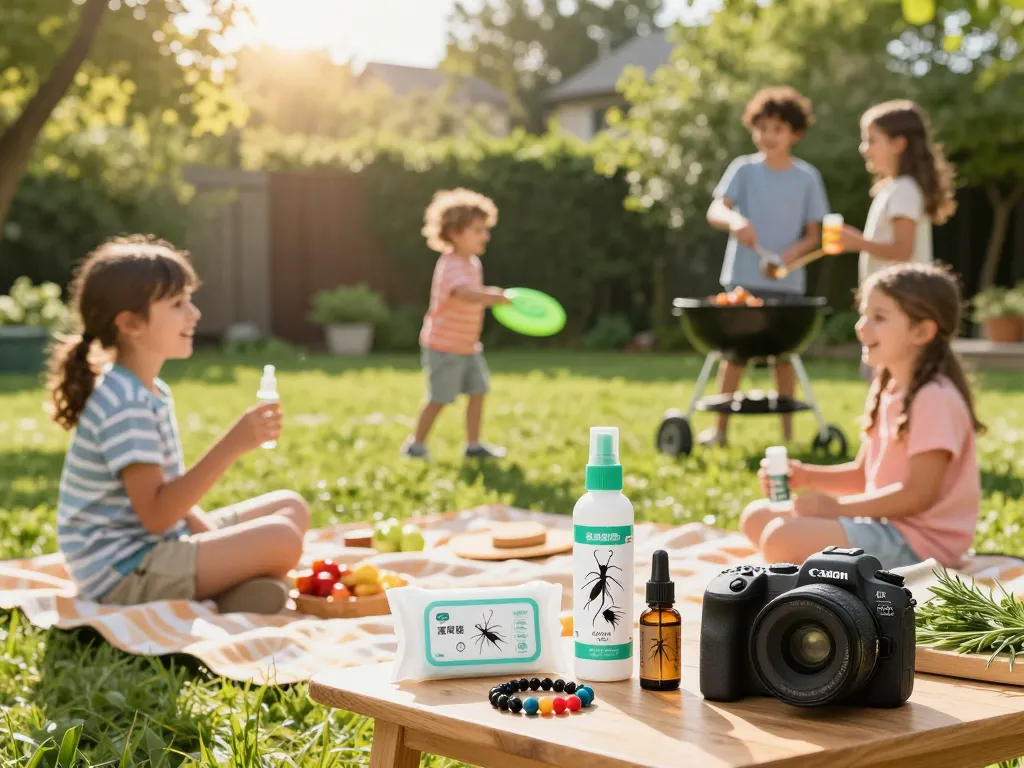
Top 10 Best Mosquito Repellents in 2026
As the warm weather approaches, the buzzing of mosquitoes often becomes the backdrop to outdoor activities, turning what should be enjoyable moments into itchy nightmares. Fortunately, the right mosquito repellent can offer real protection, allowing you to focus on your family gathering, camping adventure, or backyard BBQ without the constant annoyance of bug bites. In this guide, we explore the ten best mosquito repellents for 2026, providing detailed insights into their effectiveness based on active ingredients, user reviews, and environmental considerations. When exploring options, Best Mosquito Repellent provides comprehensive insights into various products that promise effective mosquito protection.
Overview of Effective Repellents
To select the best mosquito repellents, it’s crucial to understand the common active ingredients that offer real results. The most effective products typically contain DEET, Picaridin, or natural oils like lemon eucalyptus and citronella. Each of these components works by masking the scents that attract mosquitoes or repelling them directly, but their effectiveness can vary based on the concentration and formulation.
Comparative Analysis of Ingredients
Choosing the right ingredient can make a significant difference in your mosquito repellent’s effectiveness. DEET has been a staple in mosquito protection for decades, known for its long-lasting capabilities. Picaridin has emerged as a popular alternative, providing similar effectiveness without some of the drawbacks associated with DEET, such as its potential to damage synthetic materials. Natural options, while appealing for their eco-friendliness, often require more frequent application and may not stand up to heavy infestations.
Why Choose Mosquito Repellents?
The need for effective mosquito repellents is underscored by the health risks associated with mosquito bites, including diseases like West Nile virus and Zika virus. Utilizing a reliable repellent during peak mosquito seasons can prevent discomfort, protect against these diseases, and allow you to fully enjoy your outdoor activities.
How We Picked the Best Mosquito Repellents
Research Methodology Explained
Our selection process for the best mosquito repellents involves a comprehensive analysis of active ingredients, customer reviews, and expert recommendations. We reviewed numerous products, focusing on their effectiveness in real-world scenarios and how they performed in various environments and conditions.
User Reviews and Feedback
Customer feedback plays a vital role in our evaluations. We combed through thousands of user experiences, both positive and negative, to get a clearer picture of which products truly deliver results and which merely rely on marketing claims.
Expert Recommendations
In addition to user reviews, we consulted experts in entomology and pest control, gaining insights into which ingredients are backed by research and proven effective against mosquitoes. This expert input helps ensure that our recommendations are not only popular but also scientifically supported.
How to Choose the Best Mosquito Repellent
Consider Your Environment
Your surroundings play a significant role in determining the type of mosquito repellent you should choose. Areas with standing water or marshy landscapes are breeding grounds for mosquitoes, necessitating stronger repellents. Conversely, urban settings may allow for lighter formulations.
Assessing User Sensitivities
When selecting a mosquito repellent, consider skin sensitivities or allergies. Products containing DEET can cause irritation for some users, while others may prefer natural alternatives. Always patch test a new product on a small skin area before widespread application.
Product Formats and Their Uses
The format of mosquito repellents—sprays, lotions, wipes, and wearable devices—each has its unique advantages. For instance, sprays offer wide coverage, while wipes provide portability and convenience for on-the-go protection. Choose the format that best fits your lifestyle and the activities you have planned.
Best Practices for Applying Mosquito Repellents
Application Techniques for Maximum Effectiveness
For optimal protection, evenly apply the repellent to all exposed skin and reapply it according to the product’s instructions. Ensuring full coverage is essential, especially in areas known for heavy mosquito presence.
Timing Your Application
Timing is crucial when applying mosquito repellent. Apply it 20-30 minutes before heading outdoors to allow the active ingredients to bond with your skin effectively. Additionally, reapply as instructed, especially after sweating, swimming, or prolonged exposure to the outdoors.
Combination with Other Mosquito Control Methods
Enhance your protection by combining repellents with other methods such as wearing long sleeves and using screens or nets. This multi-faceted approach can provide comprehensive defense against mosquitoes.
Frequently Asked Questions about Mosquito Repellents
Which mosquito repellent works best for adults?
For adults, DEET-based repellents in the 20% to 30% concentration range provide the most reliable protection. Products like OFF! Deep Woods or Repel 100 are highly rated in this category.
Are natural mosquito repellents effective?
Natural repellents can be effective but generally offer shorter protection durations and may not stand up to heavy infestations. Look for options that contain plant oils like lemon eucalyptus or citronella for better results.
How often should I reapply insect repellent?
The reapplication frequency varies by product. Generally, DEET and Picaridin formulations last four to eight hours, while natural alternatives may need to be reapplied every one to three hours.
Do mosquito repellent patches work?
Patches can offer supplementary protection, especially for children or sensitive skin. However, they are most effective when used in conjunction with topical repellents for exposed skin.
Can an indoor bug zapper replace mosquito repellent?
Indoor bug zappers can reduce flying insects in enclosed areas, but they are less effective outdoors where environmental factors play a significant role. They should be seen as a supplementary measure, not a replacement for repellents.